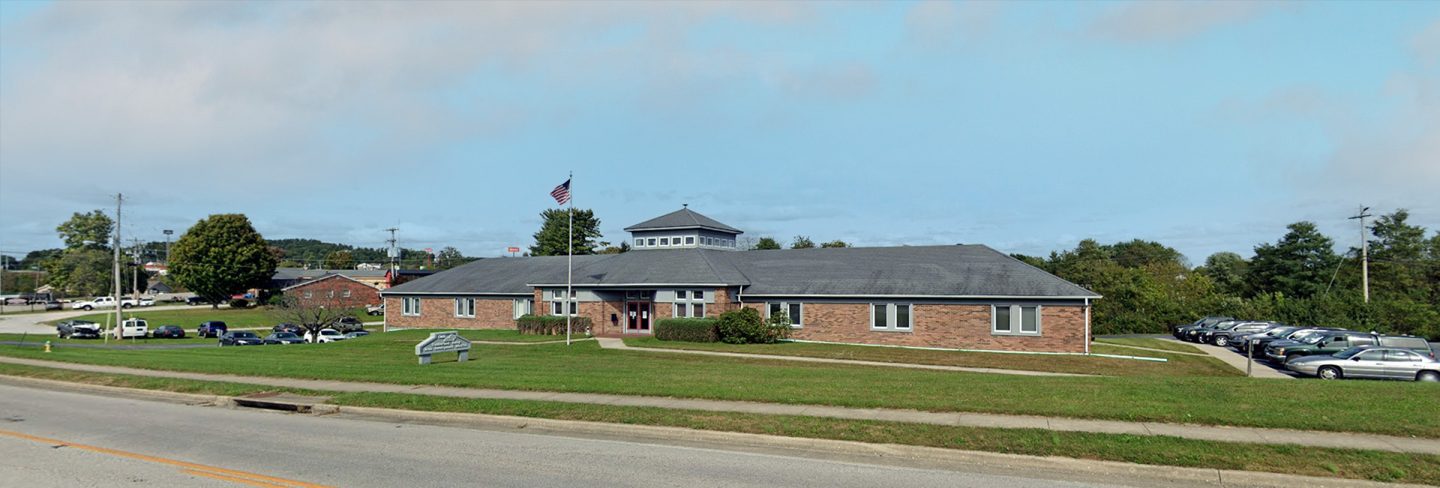
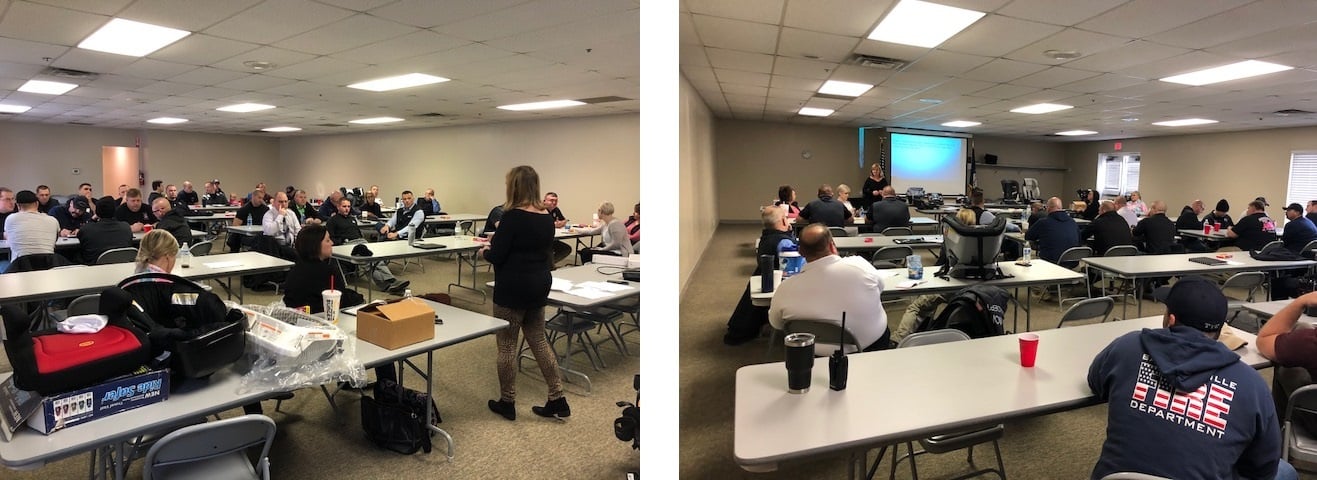
January 17, 2020 (London, KY): Sharon Rengers, State Child Passenger Safety Coordinator along with Dreama Wright, CVADD Highway Safety Coordinator, held a Continuing Education class at the CVADD office. Several Law Enforcement agencies, Hospital, Fire Departments and the Kentucky Department of Transportation were in attendance from local to statewide agencies.
As the certifying body for the National Child Passenger Safety Certification Training Program assures that all certified CPS technicians have the knowledge and skills to:
1. Advise and educate families on selection, direction, location, installation, and harnessing of child safety seats. 2. Identify and correct misuse or incorrect child safety seat installation. 3. Correctly install child safety seats in a variety of motor vehicles according to vehicle and child restraint manufacturer instructions.
Your initial certification is based upon attending a national training course, passing the written testing (three written quizzes), demonstrating technical CPS skills (three skills tests) and participating in a mandatory “clinical” session, or as it is known in the CPS community, a checkup event. While a certification is valid for two years, every CPST has an obligation to maintain their technical skills, adhere to the standards of the National CPS Certification Training curriculum and uphold the code of conduct. The child passenger safety field is a constantly changing environment with new products and technology being introduced regularly.
The CPS certification program requires completion and online documentation of three elements for re-certification:
1. 5 Seat Checks: These are fully reviewed by a CPS Instructor or Technician Proxy: The 5 seat check requirement documents that technicians have maintained and can demonstrate their CPS technical and communication skills. This requirement is similar to law enforcement officers periodically returning to the firing range to re-qualify and demonstrate their expertise with firearms. 2. 6 Continuing Education Units (CEUs): The 6-hours of technical education help technicians stay up-to-date with innovations in vehicle and child restraint technology, new guidelines, best practices and the scientific evidence that supports child safety seat use. 3. Community Education: Participation in community education demonstrates that you are a practicing technician applying your CPS skills and knowledge in the field or learning new communication skills to better serve the community.
This is what is required of a nationally certified technician and one that as an educator you can build upon. There is always room for improvement and many ways to approach it. Everyone, no matter how long they have been a tech, has room to improve their technical skills. Identify your technical needs, is it learning about a new seat that you haven’t seen yet? Perhaps it is reviewing and tweaking your communication skills with families and your fellow technicians. It could simply be refreshing yourself by reaching out to people in a diverse community. The field of child passenger safety provides many opportunities for innovative thought and professional growth.
For more information on becoming a CPS tech, please contact Dreama Wright at (606) 864-7391.